ias
-
The whole story of human evolution – from ancient apes via Lucy to us
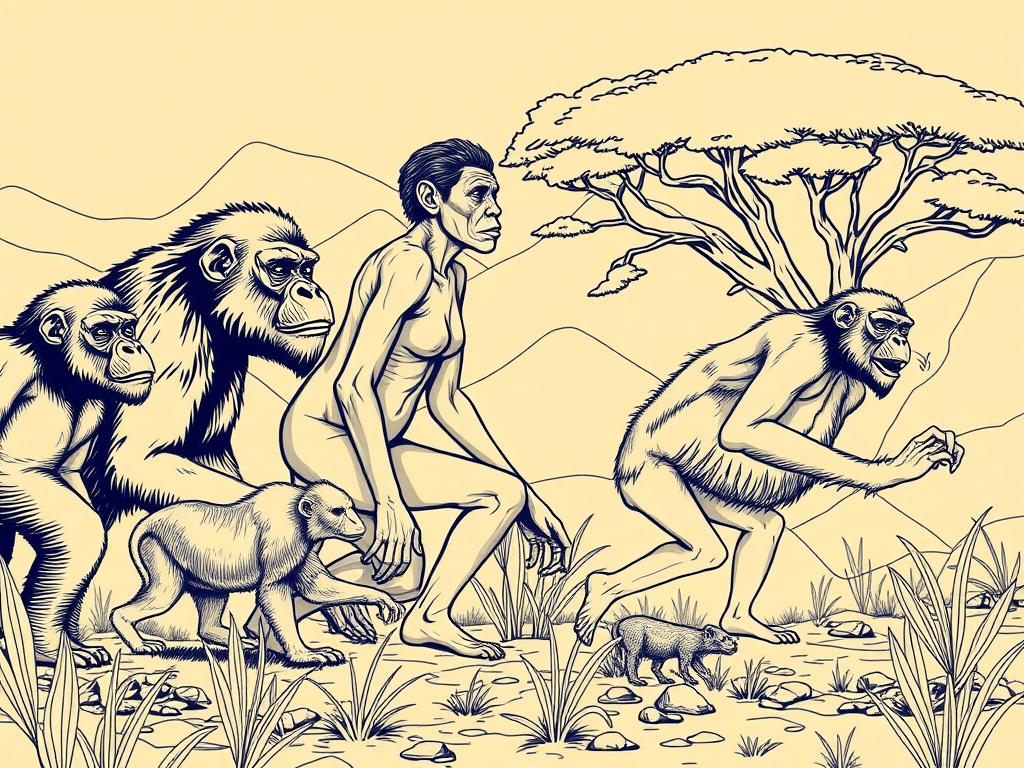
In pursuit of knowledge, the evolution of humanity ranks with the origins of life and the universe. And yet, except when an exciting find hits the headlines, palaeoanthropology and its related fields have gained far less scientific support and funding – particularly for scientists and institutions based in the African countries where so many landmark… Continue reading
-
Understanding Gene Expression in Anthropology
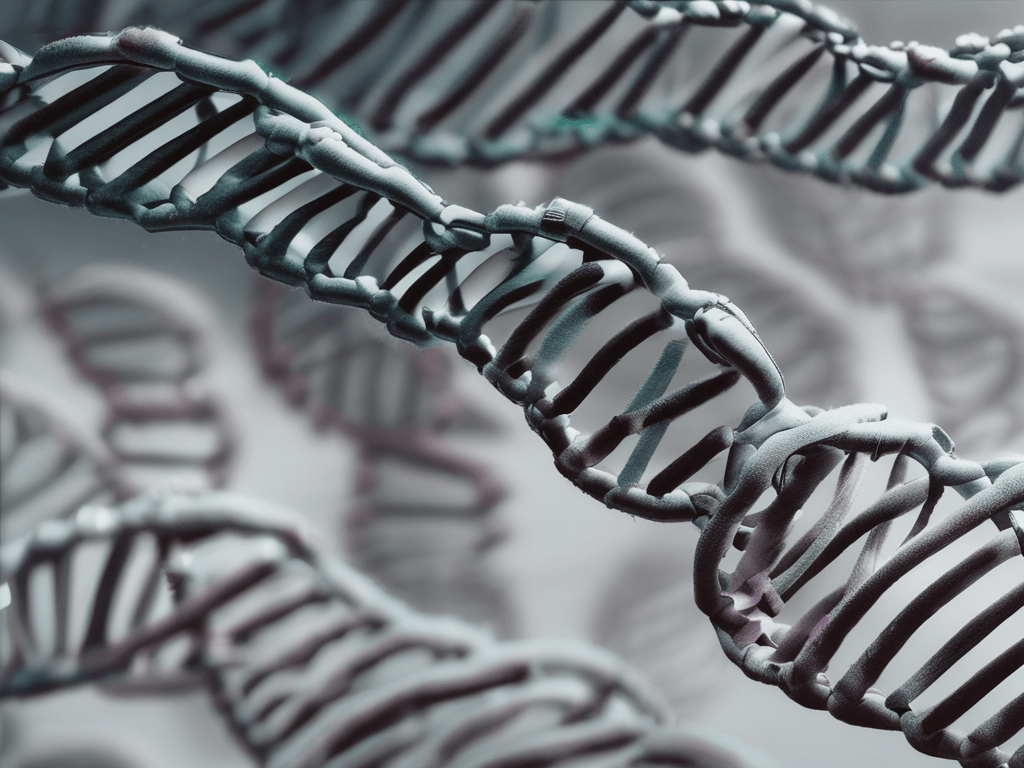
Gene expression refers to the process by which the genetic information stored in DNA is converted into functional products, primarily proteins, that perform various functions within the cell. This process typically involves two main steps: transcription, where the DNA is transcribed into a messenger RNA (mRNA) molecule, and translation, where the mRNA is then translated… Continue reading
-
International Day of World’s Indigenous Peoples – August 9
The International Day of the World’s Indigenous Peoples is observed on 9 August every year. There are an estimated 476 million indigenous peoples in the world living across 90 countries. They make up less than 5 per cent of the world’s population, but account for 15 per cent of the poorest. They speak an overwhelming… Continue reading
-
The evolutionary adaptation of wrinkling of fingers submerged in water.
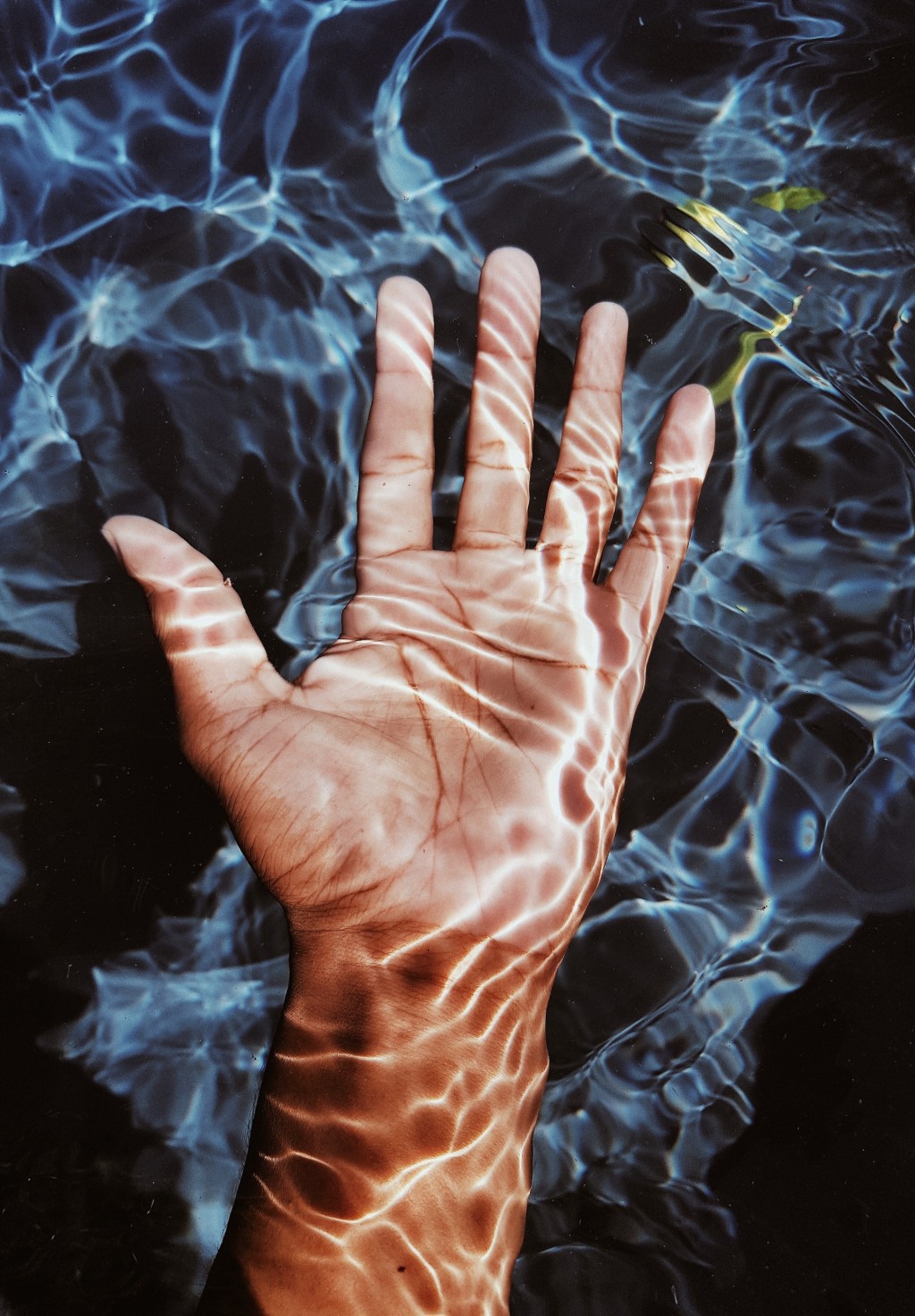
Have you wondered why your fingers wrinkle when submerged in water? This response of the skin has an evolutionary advantage to the humans. Read this interesting article published by the BBC. https://www.bbc.com/future/article/20220620-why-humans-evolved-to-have-fingers-that-wrinkle-in-the-bath Feature Photo by Andre Moura: https://www.pexels.com/photo/photo-of-person-s-hand-submerged-in-water-2499417/ Continue reading
-
Answer Writing Tips in Anthropology
What’s the difference between “examine” and “evaluate” or “elucidate” and “discuss”? This blog provides you with important tips about answer writing in civil services mains eamination. Continue reading
-
Irawati Karve
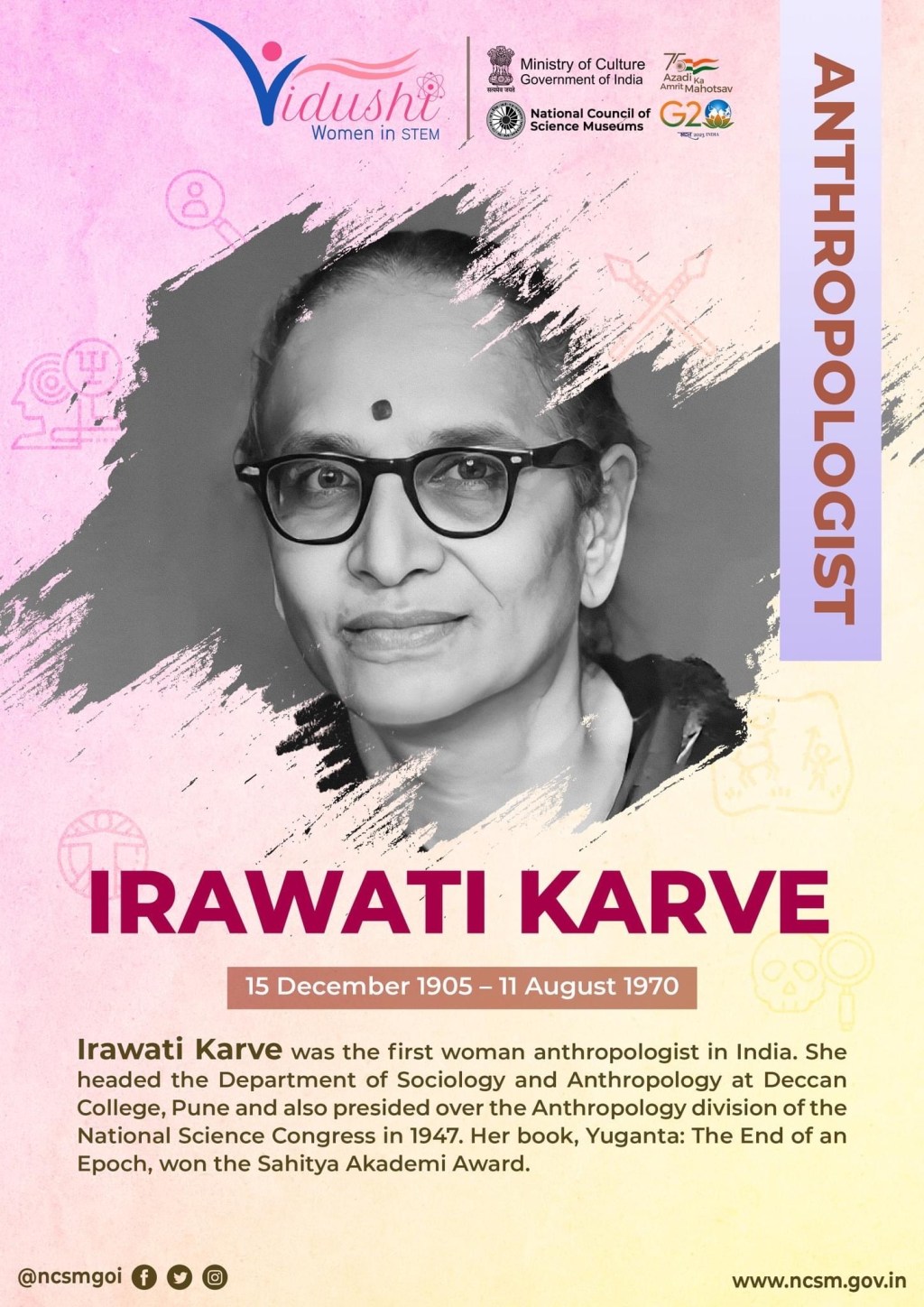
𝐕𝐢𝐝𝐮𝐬𝐡𝐢: 𝐖𝐨𝐦𝐞𝐧 𝐢𝐧 𝐒𝐓𝐄𝐌 | Irawati Karve Irawati Karve was the first woman anthropologist in India. She headed the Department of Sociology and Anthropology at Deccan College, Pune and also presided over the Anthropology division of the National Science Congress in 1947. Her book, Yuganta: The End of an Epoch, won the Sahitya Akademi Award. Courtesy:… Continue reading
-
Anthropology Optional for UPSC – Revision Tips and FAQs

Q. Can I revise in any order, or only in the sequence in which I have learnt? You can surely revise in any order, and in fact, if physical anthropology is something that was new to you, I recommend that you start with that, or a topic that you like. You can go in any… Continue reading
-
How COVID-19 Affects Tribes and Indigenous Peoples
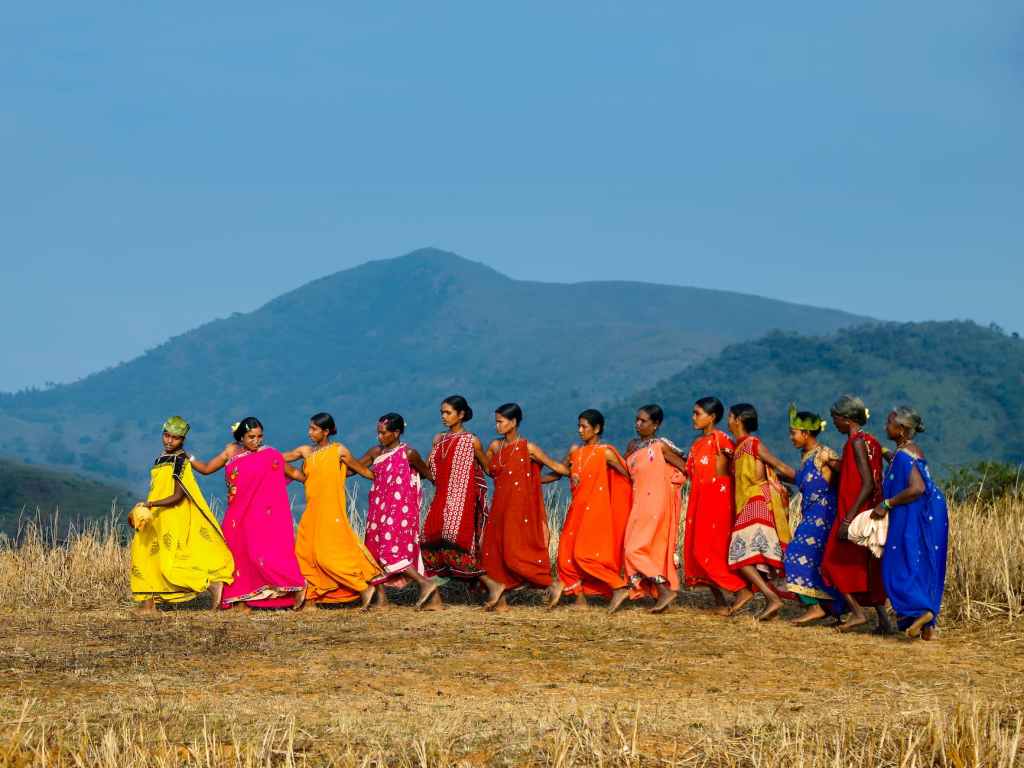
The pandemic has multiple consequences and dimensions to how it affects the Indigenous Peoples of the World. COVID-19 has wreaked havoc across the human species, in the context of the economy, psychological mindset, social relationships, and most importantly physical health. If you look at each of these aspects from a holistic view, as is done by… Continue reading
-
Surprising similarities in stone tools of early humans and monkeys

MAX-PLANCK-GESELLSCHAFT has published an interesting article on similarities between the stone tools used by macaques (a group of old world monkeys) in Thailand and those that were intentionally manufactured by early Hominins discovered in East Africa. (Lower Paleolithic) “The ability to intentionally make sharp stone flakes is seen as a crucial point in the evolution… Continue reading
-
Anthropology Booklist for Self-Study
If you are preparing for Anthropology optional by yourself and without the guidance from any professional coach, you need a reliable list of books that will help you prepare for the Mains Examination as your optional is worth a whooping 500 marks. The Book List Here is a video on some tips for self-study that… Continue reading

i think, therefore i am.
Cogito, ergo sum is a Latin philosophical proposition by René Descartes usually translated into English as “I think, therefore I am”, probably the one thing that defines our specie.
 Kartic Godavarthy