
tribes
-
Anthropology Current Affairs
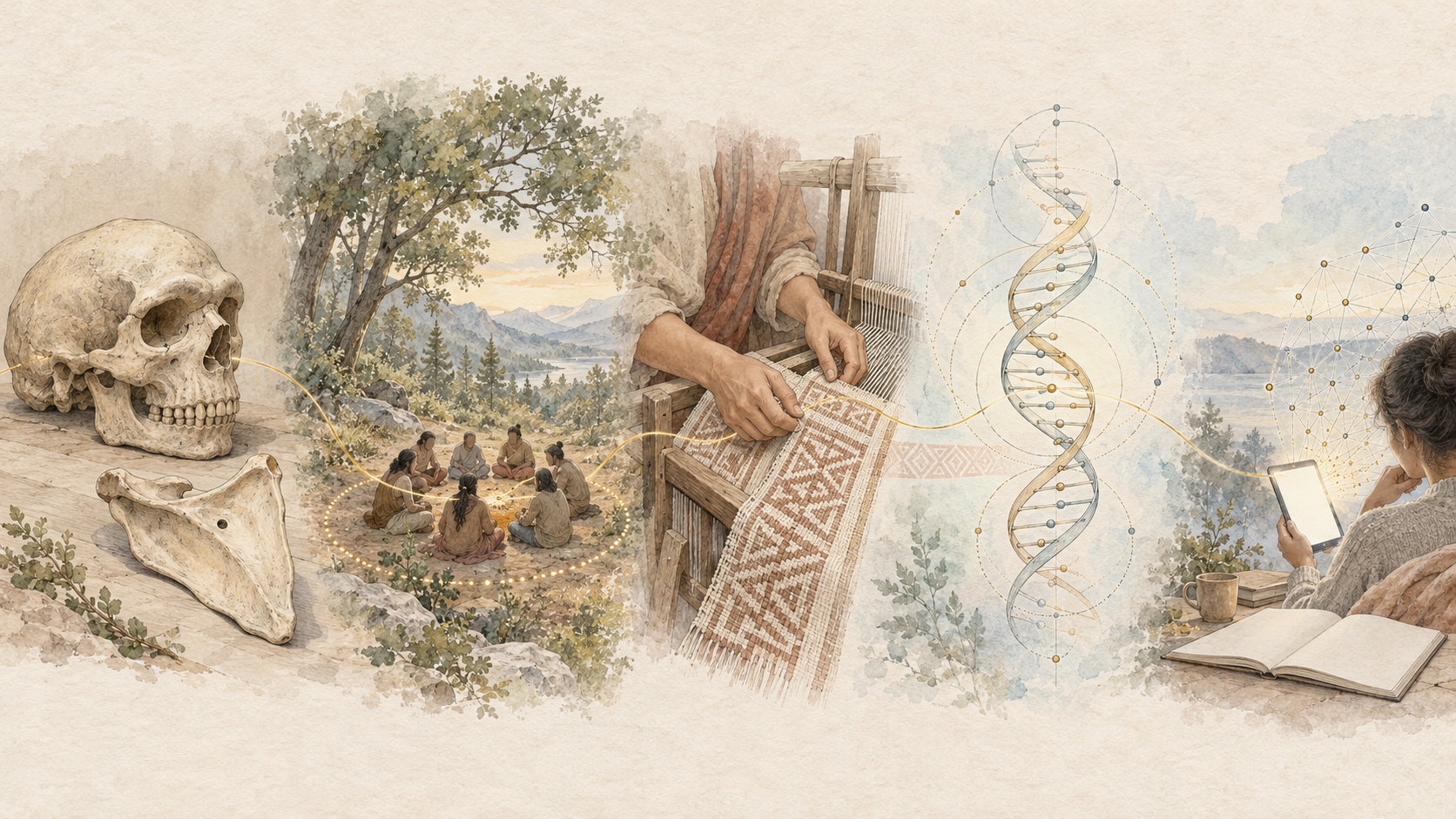
Fortnightly Digest · 3 October – 17 October 2026 For the UPSC Anthropology optional Published Sunday, 18 October 2026 PAPER 1: GENERAL AND PHYSICAL ANTHROPOLOGY Shanidar A evidence of Neanderthal trauma and care The News Explanatory Notes Theoretical Synthesis Essential Concepts and Terminology Case Study and Empirical Integration: This single skeleton is the most economical example… Continue reading
-
Anthropology Current Affairs

Fortnightly Digest · 19 September – 2 October 2026 For the UPSC Anthropology optional Published Sunday, 4 October 2026 PAPER 1: GENERAL AND PHYSICAL ANTHROPOLOGY The International Day of Sign Languages and the Anthropological Study of Language The News Explanatory Notes Theoretical Synthesis Essential Concepts & Terminology Case Study & Empirical Integration: Cite the 23 September… Continue reading
-
Anthropology Current Affairs

Fortnightly Digest · 6 to 18 September 2026 For the UPSC Anthropology optional Published Sunday, 20 September 2026 PAPER 1: GENERAL AND PHYSICAL ANTHROPOLOGY Bone Strength Places the End of Habitual Tree-Climbing at About 1.8 Million Years Ago The News A paper published in Science Advances on 16 September 2026 that obligate terrestrial bipedalism, meaning the complete abandonment… Continue reading
-
Anthropology Current Affairs
Weekly Digest · 30 August – 5 September 2026 For the UPSC Anthropology optional Published Sunday, 6 September 2026 PAPER 1: GENERAL AND PHYSICAL ANTHROPOLOGY The International Day of the Victims of Enforced Disappearances and the Work of Forensic Anthropology The News On 30 August 2026 the United Nations and human rights organisations across the… Continue reading
-
Anthropology Current Affairs
Weekly Digest · 23–29 August 2026 For the UPSC Anthropology optional Published Sunday, 30 August 2026 PAPER 1: GENERAL AND PHYSICAL ANTHROPOLOGY Why Do Chimpanzees Keep Throwing Stones at the Same Trees? (Recent Context for Revision) The News This entry is recent context for Paper 1 revision rather than this week’s news: the fieldwork account… Continue reading
-
Anthropology Current Affairs

Weekly Digest · 16–22 August 2026 For the UPSC Anthropology optional Published Sunday, 23 August 2026 Today is the International Day for the Remembrance of the Slave Trade and its Abolition This week’s digest brings together major developments in palaeoanthropology alongside an instructive story on community health from Sikkim. A bold proposal to include Australopithecus… Continue reading
-
Anthropology Current Affairs

Weekly Digest: 9 – 15 August 2026 For the UPSC Anthropology optional · Published Sunday, 16 August 2026 · HAPPY INDEPENDENCE DAY! This week’s digest brings together major developments in palaeoanthropology, and prehistoric archaeology, forensic anthropology alongside an unusually consequential Indian week: the Census 2027 notification that returns caste enumeration to the national count after… Continue reading
-
Anthropology Current Affairs

Weekly Digest · 2 August – 8 August 2026 For the UPSC Anthropology optional · Published Sunday, 9 August 2026 · Today, 9 August, is the International Day of the World’s Indigenous Peoples – observed in India as World Tribal Day (Vishwa Adivasi Divas) – and the digest opens with the Day itself and its… Continue reading
-
International Day of World’s Indigenous Peoples – August 9
The International Day of the World’s Indigenous Peoples is observed on 9 August every year. There are an estimated 476 million indigenous peoples in the world living across 90 countries. They make up less than 5 per cent of the world’s population, but account for 15 per cent of the poorest. They speak an overwhelming… Continue reading
-
The Hakki Pikki Tribe
The Hakki Pikki Tribe from Karnataka were recently in the news because they are stranded in violence-hit Sudan. “Hakki Pikki” translates to “Bird Catchers”. Hakki Pikki is a semi-nodamic tribe whose members were traditionally involved in hunting, but had to give up the activity due to India’s Wildlife Protection laws. They are now involved in… Continue reading

i think, therefore i am.
Cogito, ergo sum is a Latin philosophical proposition by René Descartes usually translated into English as “I think, therefore I am”, probably the one thing that defines our specie.