
anthropology
-
Anthropology Current Affairs
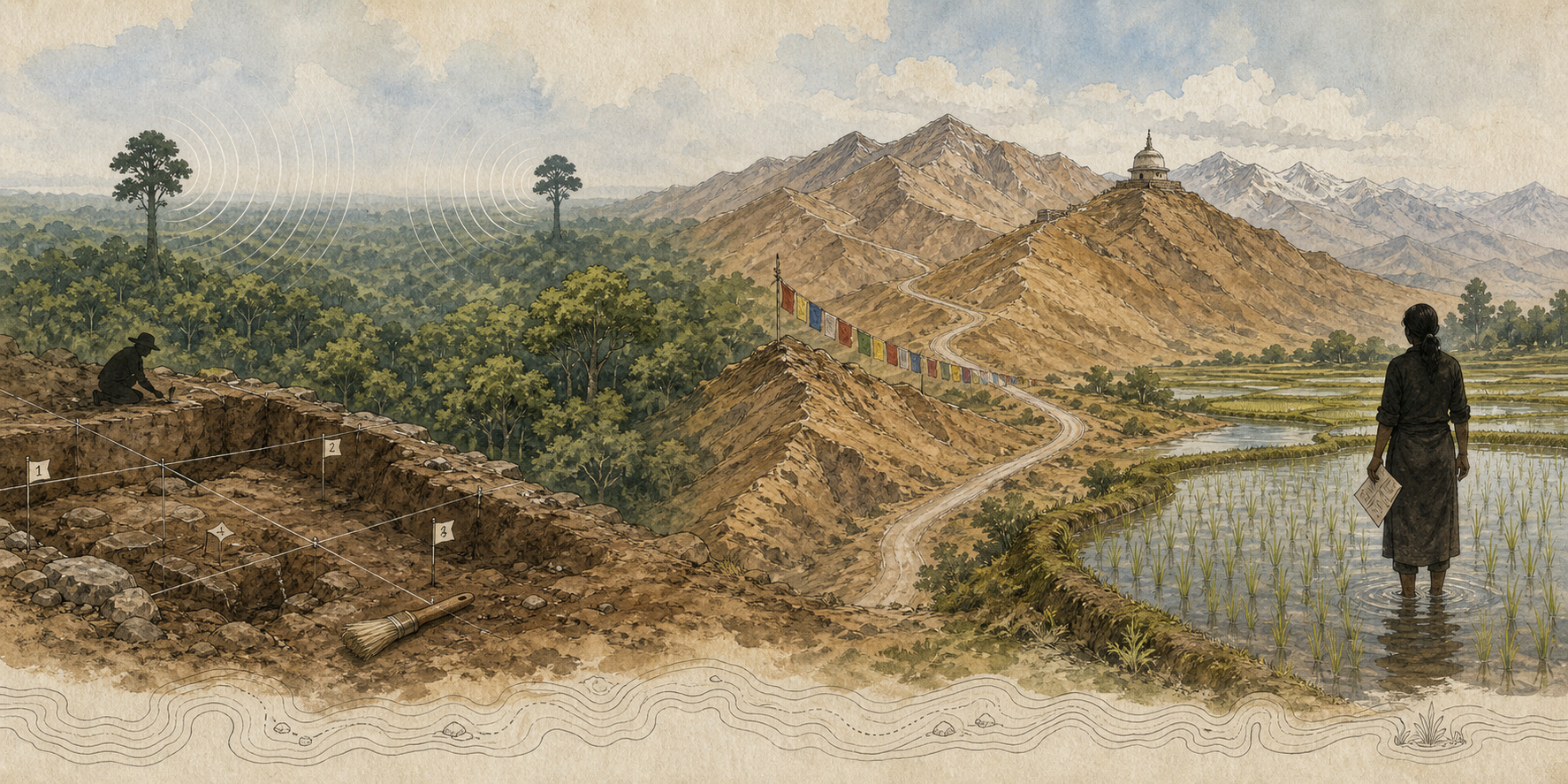
Weekly Digest · 30 August – 5 September 2026 For the UPSC Anthropology optional Published Sunday, 6 September 2026 PAPER 1: GENERAL AND PHYSICAL ANTHROPOLOGY The International Day of the Victims of Enforced Disappearances and the Work of Forensic Anthropology The News On 30 August 2026 the United Nations and human rights organisations across the… Continue reading
-
Anthropology Current Affairs
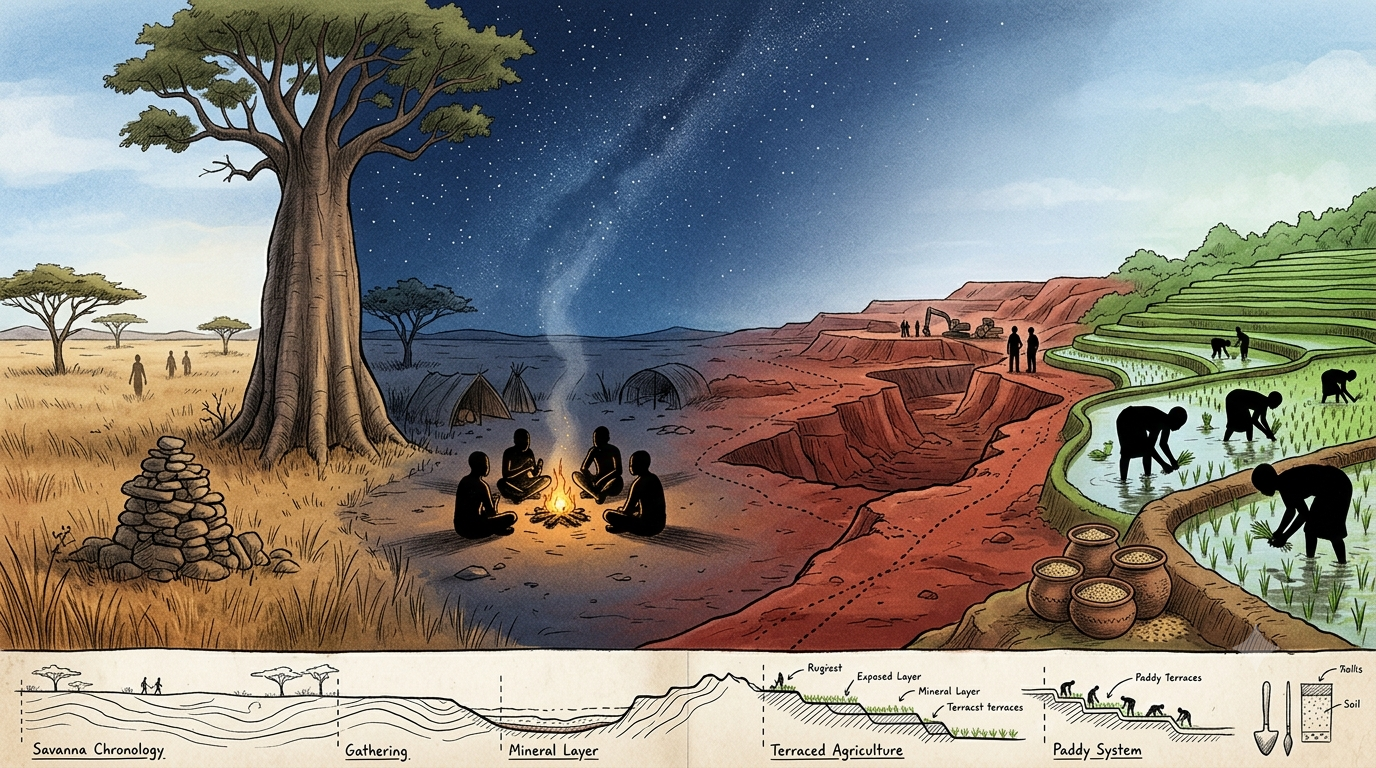
Weekly Digest · 23–29 August 2026 For the UPSC Anthropology optional Published Sunday, 30 August 2026 PAPER 1: GENERAL AND PHYSICAL ANTHROPOLOGY Why Do Chimpanzees Keep Throwing Stones at the Same Trees? (Recent Context for Revision) The News This entry is recent context for Paper 1 revision rather than this week’s news: the fieldwork account… Continue reading
-
Anthropology Current Affairs

Weekly Digest · 16–22 August 2026 For the UPSC Anthropology optional Published Sunday, 23 August 2026 Today is the International Day for the Remembrance of the Slave Trade and its Abolition This week’s digest brings together major developments in palaeoanthropology alongside an instructive story on community health from Sikkim. A bold proposal to include Australopithecus… Continue reading
-
Anthropology Current Affairs

Weekly Digest: 9 – 15 August 2026 For the UPSC Anthropology optional · Published Sunday, 16 August 2026 · HAPPY INDEPENDENCE DAY! This week’s digest brings together major developments in palaeoanthropology, and prehistoric archaeology, forensic anthropology alongside an unusually consequential Indian week: the Census 2027 notification that returns caste enumeration to the national count after… Continue reading
-
Great apes were using touch to reassure and keep the peace six million years before humans evolved – new research
Jake Brooker, Utrecht University and Zanna Clay, Durham University During an eight-month-long research trip to the Democratic Republic of Congo (DRC) and Zambia, we studied consolation: the way bonobos and chimpanzees comfort each other after conflicts and distress. But early on, we kept noticing something that didn’t quite fit. The animals were exchanging a lot… Continue reading
-
Smaller brains? Fewer friends? An evolutionary biologist asks how AI will change humanity’s future
Rob Brooks What will humans be like generations from now in a world transformed by artificial intelligence (AI)? Plenty of thinkers have applied themselves to questions like this, considering how AI will alter lives – often for better, sometimes for worse. They have conjured dramatic scenarios, like AI-driven extinction of humans (and many other species),… Continue reading
-
The whole story of human evolution – from ancient apes via Lucy to us
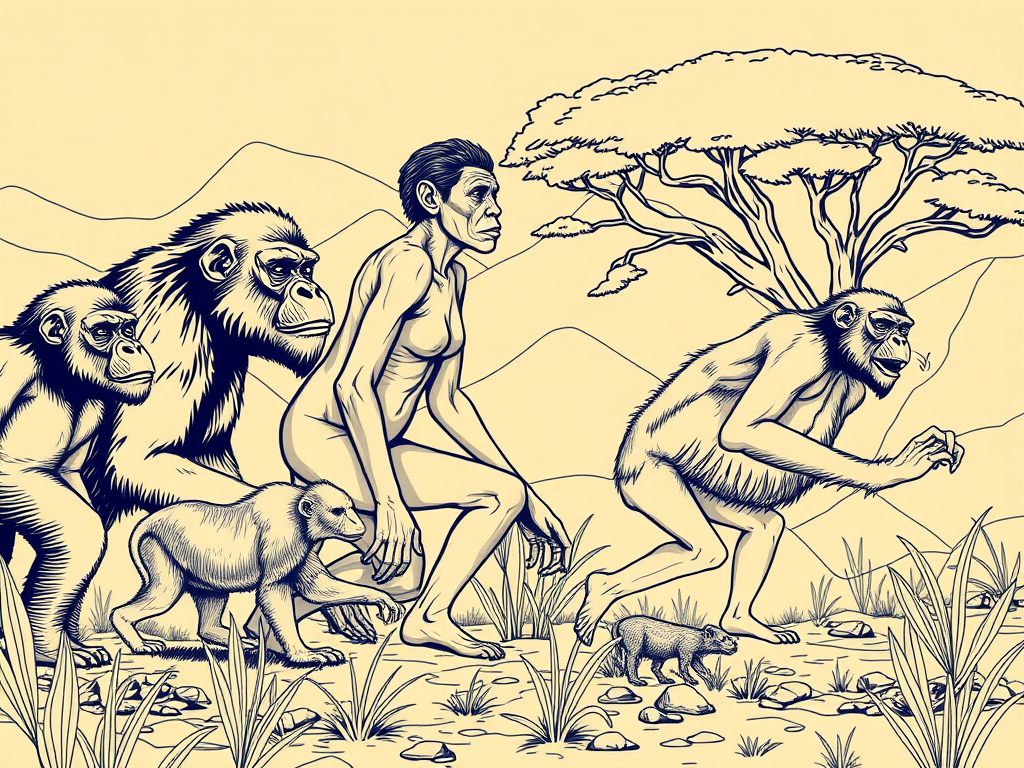
In pursuit of knowledge, the evolution of humanity ranks with the origins of life and the universe. And yet, except when an exciting find hits the headlines, palaeoanthropology and its related fields have gained far less scientific support and funding – particularly for scientists and institutions based in the African countries where so many landmark… Continue reading
-
Understanding Gene Expression in Anthropology
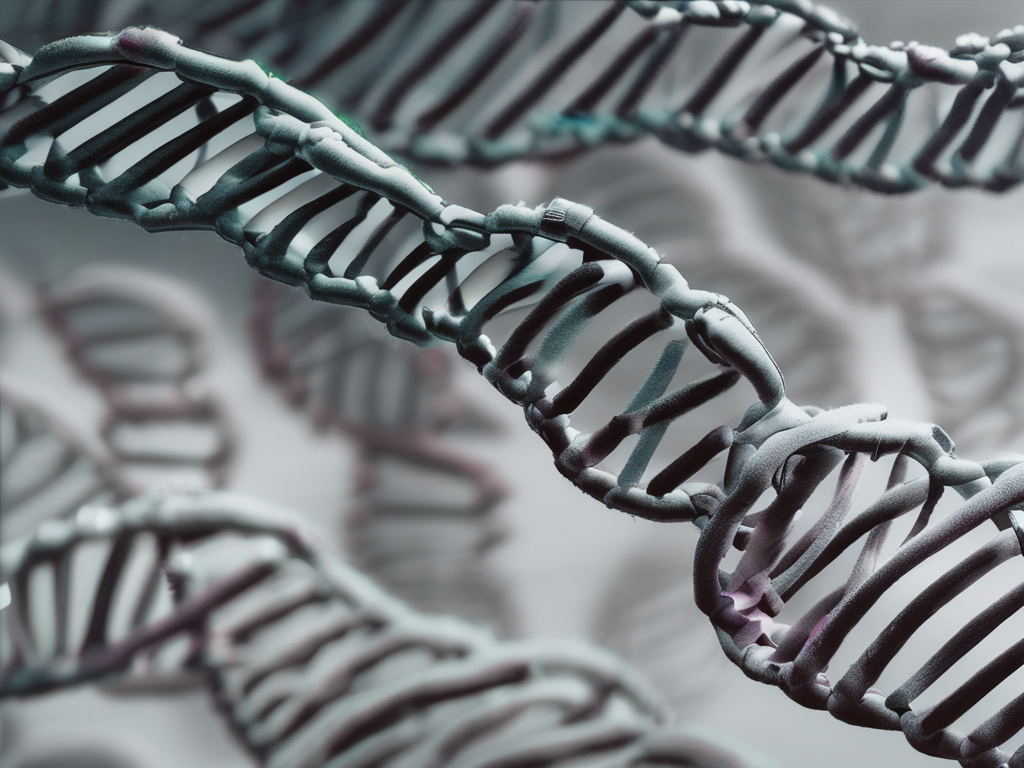
Gene expression refers to the process by which the genetic information stored in DNA is converted into functional products, primarily proteins, that perform various functions within the cell. This process typically involves two main steps: transcription, where the DNA is transcribed into a messenger RNA (mRNA) molecule, and translation, where the mRNA is then translated… Continue reading
-
International Day of World’s Indigenous Peoples – August 9
The International Day of the World’s Indigenous Peoples is observed on 9 August every year. There are an estimated 476 million indigenous peoples in the world living across 90 countries. They make up less than 5 per cent of the world’s population, but account for 15 per cent of the poorest. They speak an overwhelming… Continue reading
-
Self-medicating Chimpanzees!

An adult chimpanzee named Suzee was seen medicating the wound of her adolescent son Sia, using insects in the process. This behaviour was found amongst the chimpanzees in Loango National Park in Gabon. The incident was reported by a group of researchers in Current Biology in February 2022 and is considered the first of such… Continue reading

i think, therefore i am.
Cogito, ergo sum is a Latin philosophical proposition by René Descartes usually translated into English as “I think, therefore I am”, probably the one thing that defines our specie.