
Archeology
-
Anthropology Current Affairs

Weekly Digest: 9 – 15 August 2026 For the UPSC Anthropology optional · Published Sunday, 16 August 2026 · HAPPY INDEPENDENCE DAY! This week’s digest brings together major developments in palaeoanthropology, and prehistoric archaeology, forensic anthropology alongside an unusually consequential Indian week: the Census 2027 notification that returns caste enumeration to the national count after… Continue reading
-
Anthropology Current Affairs

Weekly Digest · 2 August – 8 August 2026 For the UPSC Anthropology optional · Published Sunday, 9 August 2026 · Today, 9 August, is the International Day of the World’s Indigenous Peoples – observed in India as World Tribal Day (Vishwa Adivasi Divas) – and the digest opens with the Day itself and its… Continue reading
-
Anthropology Current Affairs

Anthropology Current Affairs Anthropology Weekly – the week of 26 July to 1 August 2026 Published Sunday, 2 August 2026 A million and a half years ago, on the soft mud of a lakeshore in northern Kenya, a group of eight walked past one after another, and the ground kept the record. No tools, no… Continue reading
-
Anthropology Current Affairs
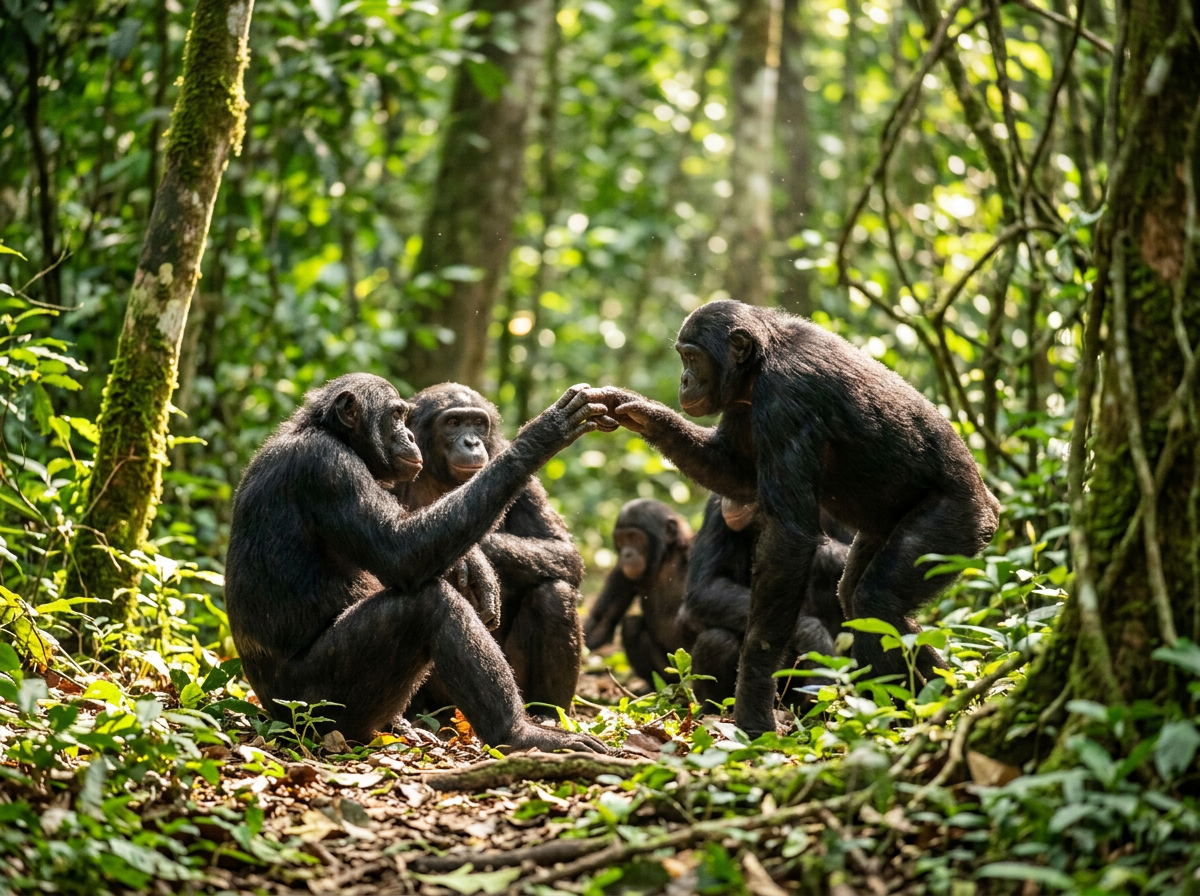
Week of 19–25 July 2026 · published Sunday, 26 July 2026 A deer park, what the apes are telling us, and the tribes of Odisha Think of a group of bonobos in a forest sanctuary, waiting. They know the food is coming – a scatter of peanuts, any moment now. It is exactly the kind… Continue reading
-
The whole story of human evolution – from ancient apes via Lucy to us
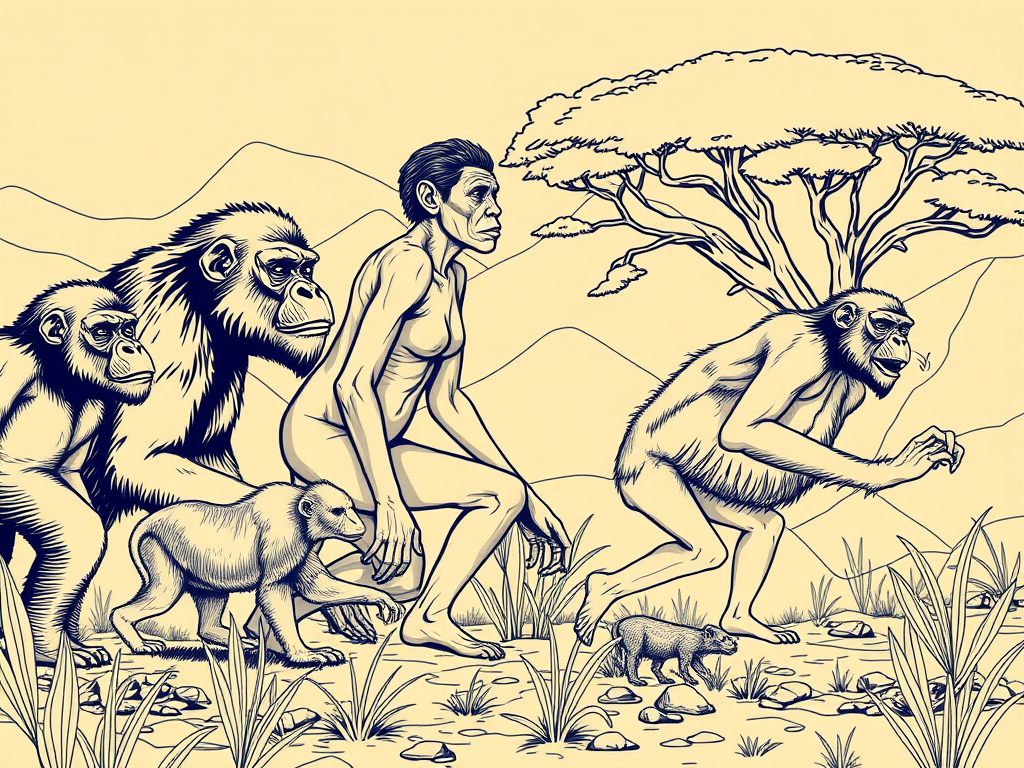
In pursuit of knowledge, the evolution of humanity ranks with the origins of life and the universe. And yet, except when an exciting find hits the headlines, palaeoanthropology and its related fields have gained far less scientific support and funding – particularly for scientists and institutions based in the African countries where so many landmark… Continue reading
-
Surprising similarities in stone tools of early humans and monkeys
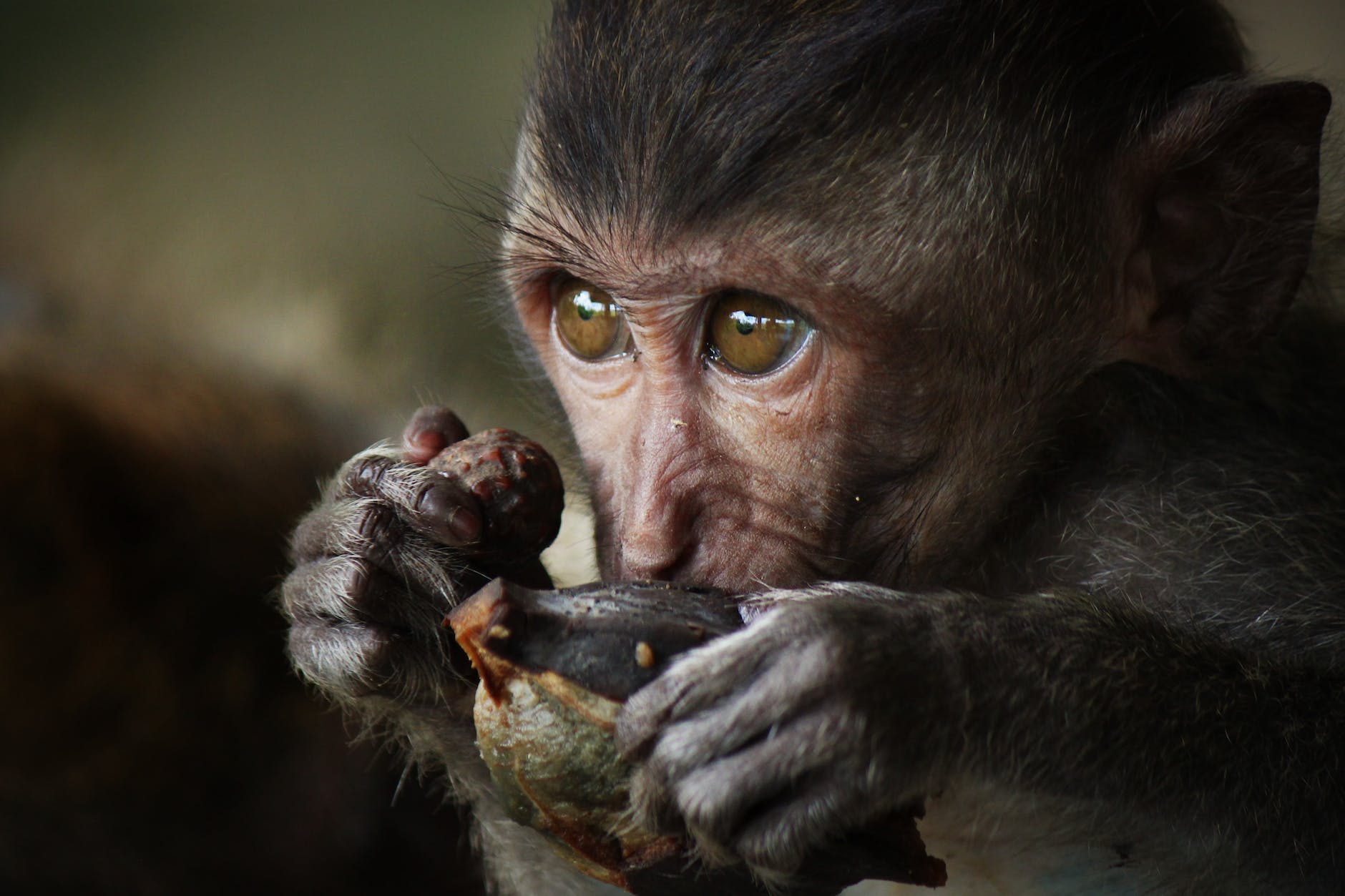
MAX-PLANCK-GESELLSCHAFT has published an interesting article on similarities between the stone tools used by macaques (a group of old world monkeys) in Thailand and those that were intentionally manufactured by early Hominins discovered in East Africa. (Lower Paleolithic) “The ability to intentionally make sharp stone flakes is seen as a crucial point in the evolution… Continue reading

i think, therefore i am.
Cogito, ergo sum is a Latin philosophical proposition by René Descartes usually translated into English as “I think, therefore I am”, probably the one thing that defines our specie.