
Optional Subject
This category of articles are on general discipline of anthropology as an optional subject
-
Anthropology Current Affairs
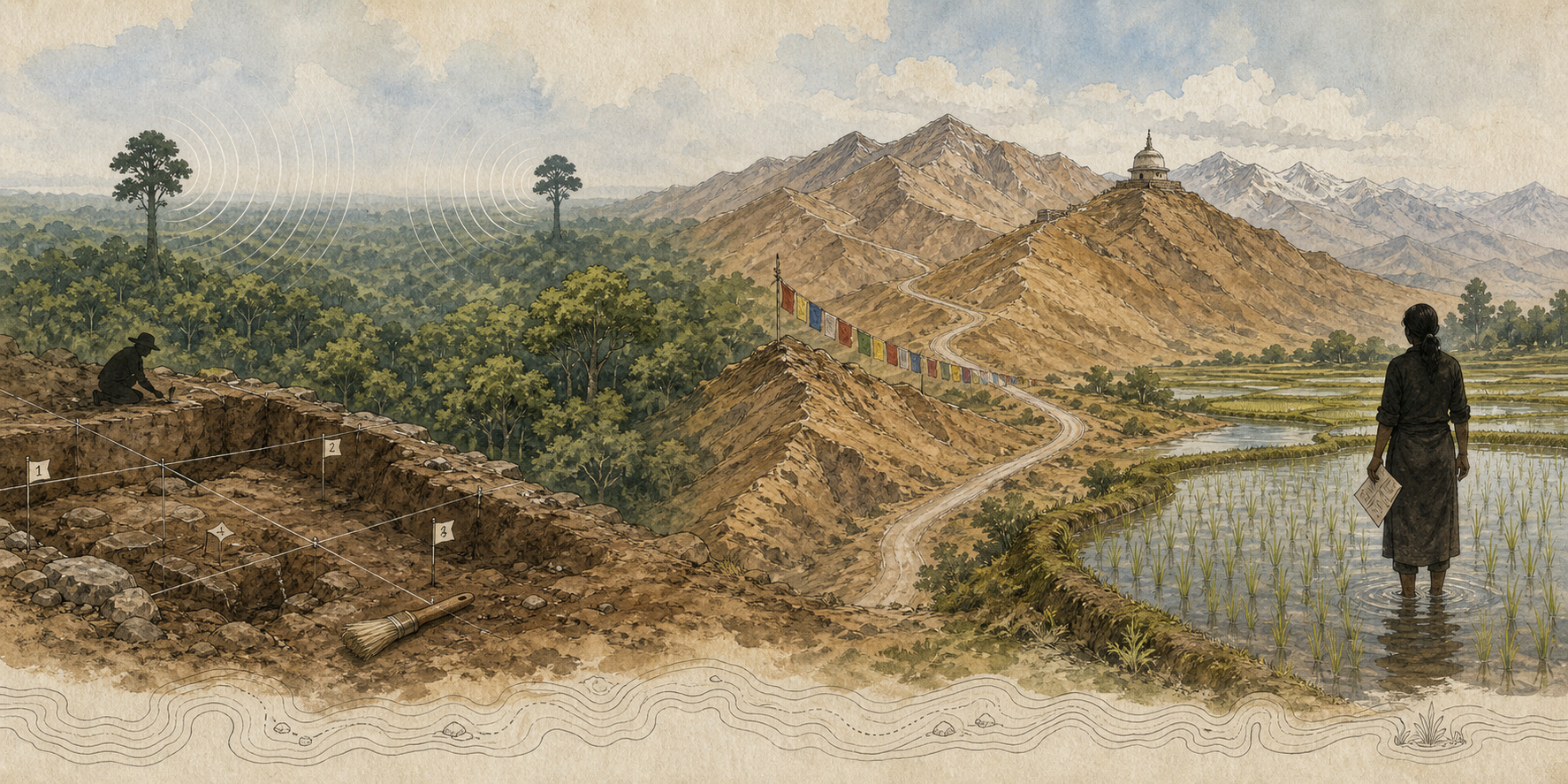
Weekly Digest · 30 August – 5 September 2026 For the UPSC Anthropology optional Published Sunday, 6 September 2026 PAPER 1: GENERAL AND PHYSICAL ANTHROPOLOGY The International Day of the Victims of Enforced Disappearances and the Work of Forensic Anthropology The News On 30 August 2026 the United Nations and human rights organisations across the… Continue reading
-
Inter-Tribal Interaction Systems in India
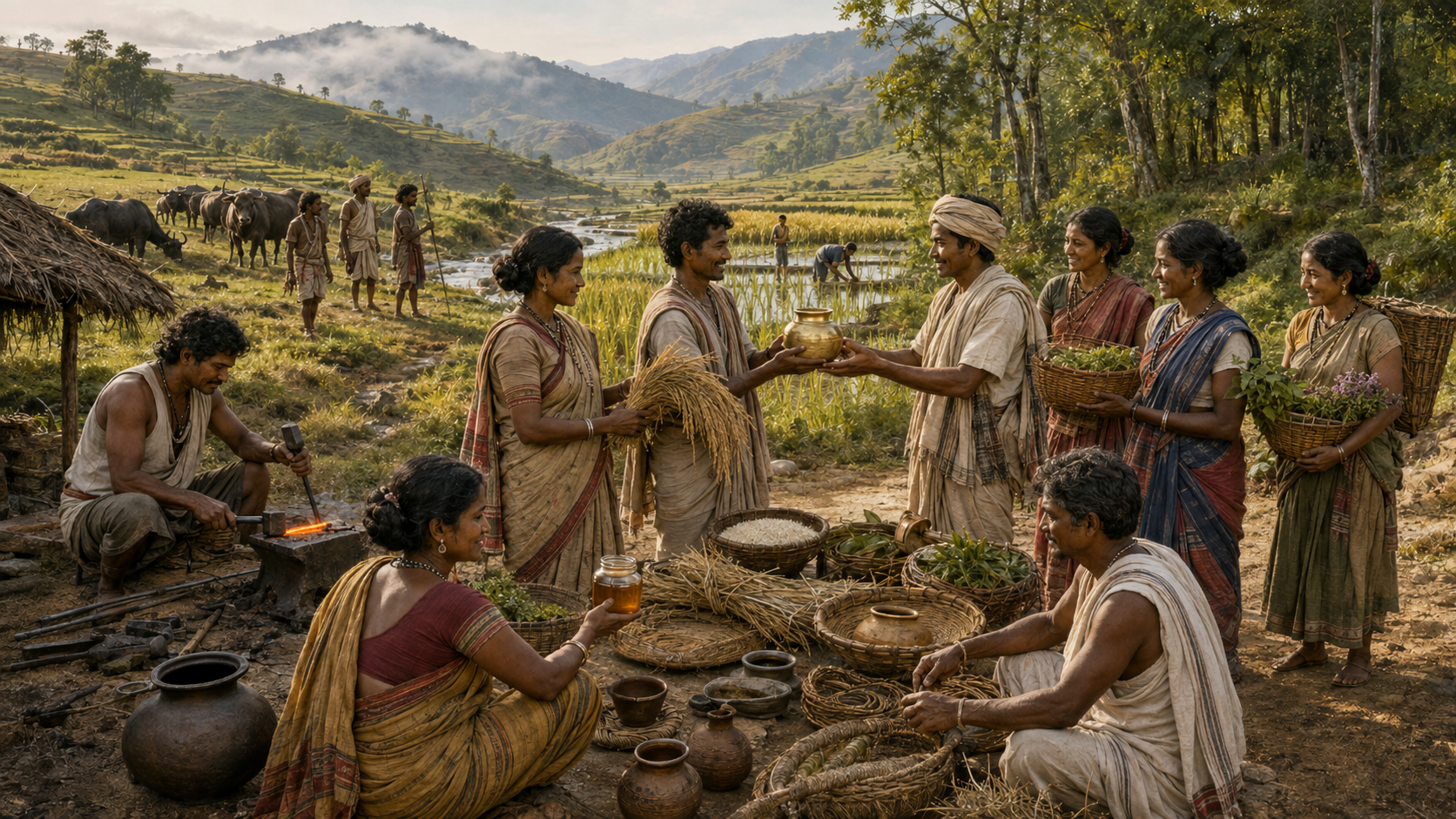
Tribal communities in India have never existed as isolated or completely self-sufficient groups. Across different ecological regions, neighbouring communities developed specialised occupations and depended upon one another for food, tools, forest produce, labour, music and ritual services. From the Nilgiri Hills to Central India, Chota Nagpur, Arunachal Pradesh and Wayanad, these inter-tribal systems reveal complex… Continue reading
-
Anthropology Current Affairs
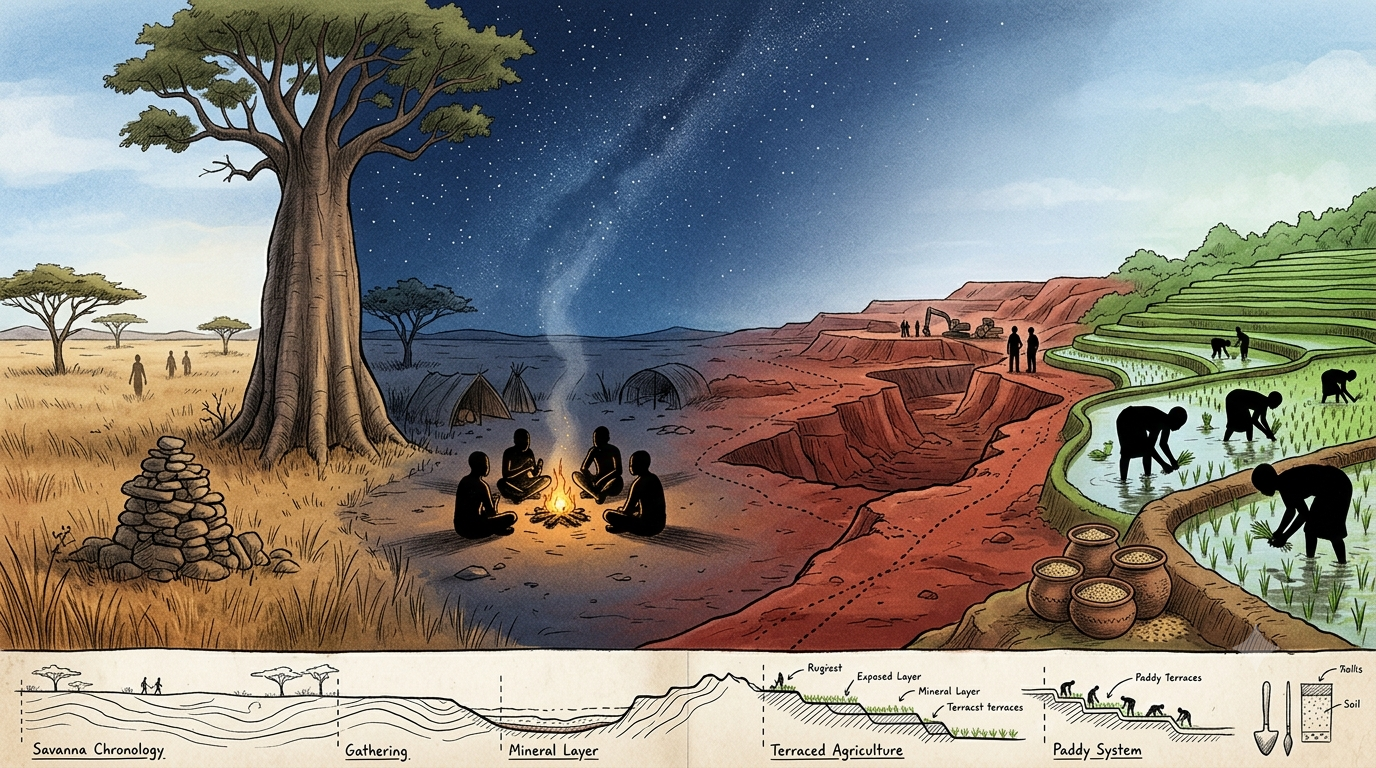
Weekly Digest · 23–29 August 2026 For the UPSC Anthropology optional Published Sunday, 30 August 2026 PAPER 1: GENERAL AND PHYSICAL ANTHROPOLOGY Why Do Chimpanzees Keep Throwing Stones at the Same Trees? (Recent Context for Revision) The News This entry is recent context for Paper 1 revision rather than this week’s news: the fieldwork account… Continue reading
-
Anthropology Current Affairs

Weekly Digest · 16–22 August 2026 For the UPSC Anthropology optional Published Sunday, 23 August 2026 Today is the International Day for the Remembrance of the Slave Trade and its Abolition This week’s digest brings together major developments in palaeoanthropology alongside an instructive story on community health from Sikkim. A bold proposal to include Australopithecus… Continue reading
-
Anthropology Current Affairs

Weekly Digest: 9 – 15 August 2026 For the UPSC Anthropology optional · Published Sunday, 16 August 2026 · HAPPY INDEPENDENCE DAY! This week’s digest brings together major developments in palaeoanthropology, and prehistoric archaeology, forensic anthropology alongside an unusually consequential Indian week: the Census 2027 notification that returns caste enumeration to the national count after… Continue reading
-
Anthropology Current Affairs

Weekly Digest · 2 August – 8 August 2026 For the UPSC Anthropology optional · Published Sunday, 9 August 2026 · Today, 9 August, is the International Day of the World’s Indigenous Peoples – observed in India as World Tribal Day (Vishwa Adivasi Divas) – and the digest opens with the Day itself and its… Continue reading
-
Anthropology Current Affairs

Anthropology Current Affairs Anthropology Weekly – the week of 26 July to 1 August 2026 Published Sunday, 2 August 2026 A million and a half years ago, on the soft mud of a lakeshore in northern Kenya, a group of eight walked past one after another, and the ground kept the record. No tools, no… Continue reading
-
Anthropology Current Affairs
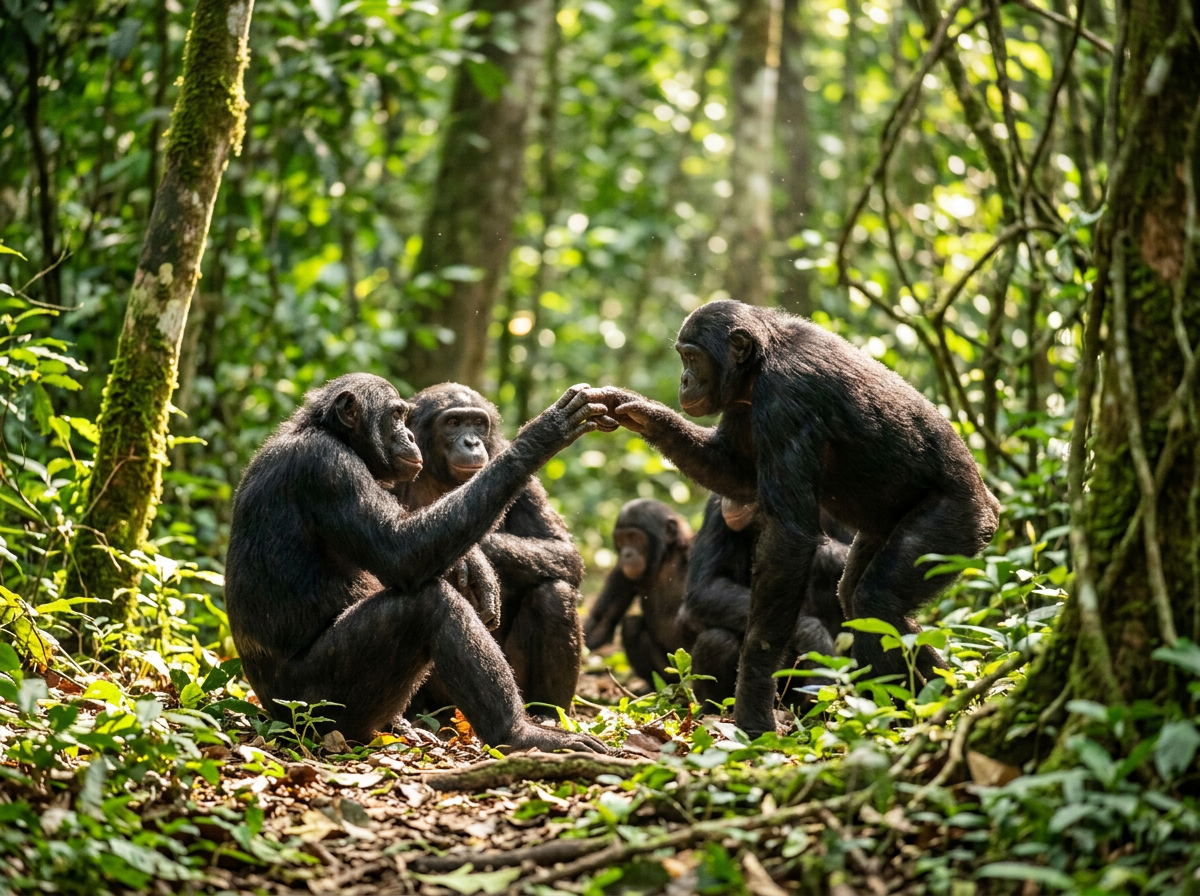
Week of 19–25 July 2026 · published Sunday, 26 July 2026 A deer park, what the apes are telling us, and the tribes of Odisha Think of a group of bonobos in a forest sanctuary, waiting. They know the food is coming – a scatter of peanuts, any moment now. It is exactly the kind… Continue reading
-
Smaller brains? Fewer friends? An evolutionary biologist asks how AI will change humanity’s future
Rob Brooks What will humans be like generations from now in a world transformed by artificial intelligence (AI)? Plenty of thinkers have applied themselves to questions like this, considering how AI will alter lives – often for better, sometimes for worse. They have conjured dramatic scenarios, like AI-driven extinction of humans (and many other species),… Continue reading
-
The whole story of human evolution – from ancient apes via Lucy to us
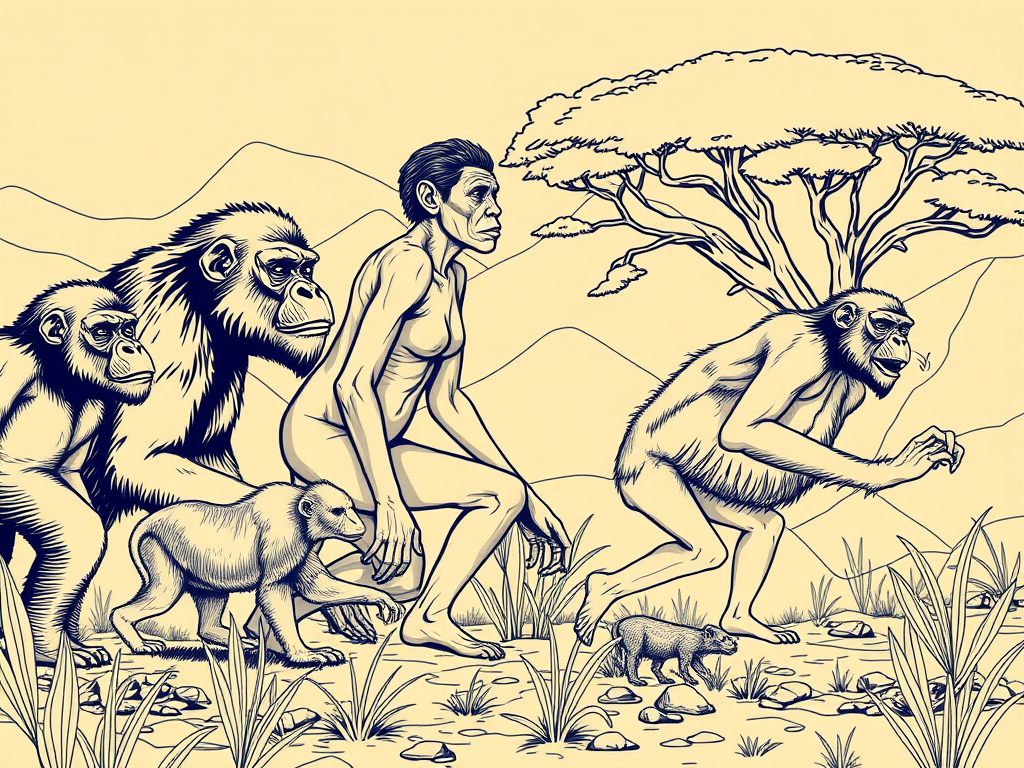
In pursuit of knowledge, the evolution of humanity ranks with the origins of life and the universe. And yet, except when an exciting find hits the headlines, palaeoanthropology and its related fields have gained far less scientific support and funding – particularly for scientists and institutions based in the African countries where so many landmark… Continue reading

i think, therefore i am.
Cogito, ergo sum is a Latin philosophical proposition by René Descartes usually translated into English as “I think, therefore I am”, probably the one thing that defines our specie.